
The Sweet Tradition of Honey Harvesting
Fun Facts, Seasonal Rhythms & Why Bees Matter
Honey harvesting is one of the oldest food traditions in the world — a process that connects people to nature, seasonal living, and the incredible intelligence of bees.
From golden honeycomb dripping with raw honey to the calming hum of a thriving hive, honey harvesting offers more than just a delicious natural sweetener. It is a reminder of how deeply interconnected our ecosystems, food systems, and wellbeing truly are.
What Is Honey Harvesting?
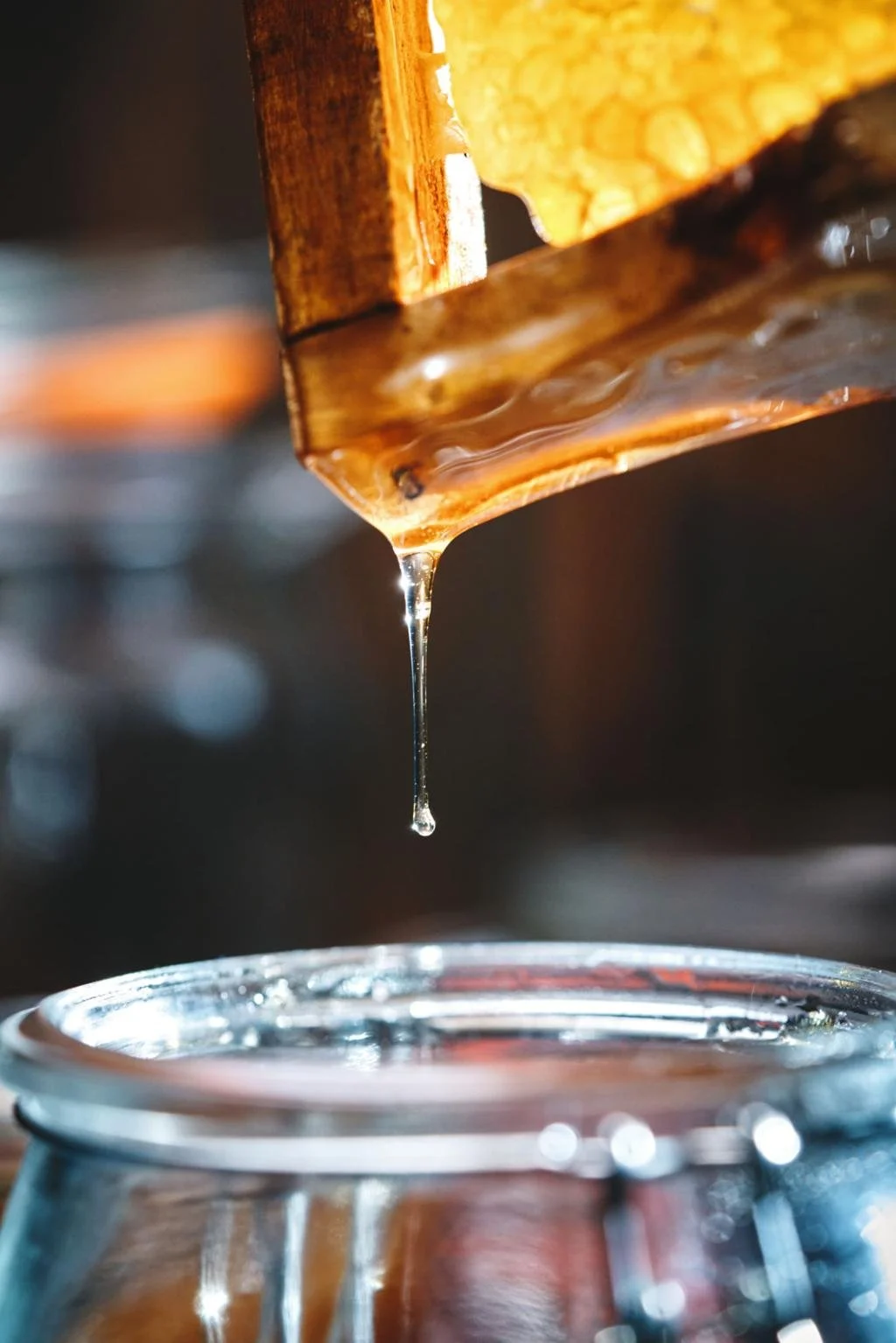
Honey harvesting is the process of collecting excess honey created by bees within a hive. Bees work tirelessly throughout flowering seasons collecting nectar from plants, which they transform into honey and store inside wax honeycomb cells.
Beekeepers carefully remove honey-filled frames from the hive while ensuring the bees retain enough honey to support the colony.
The process often includes:
Inspecting hive health
Removing capped honey frames
Extracting honey from honeycomb
Filtering and bottling honey
Returning frames to the hive for reuse
Honey harvesting is usually seasonal and depends heavily on weather, flowering patterns, rainfall, and the strength of the bee colony.
Return on Investment - Small-Scale Hive
A small beekeeper with:
5 hives
Average production of 20–40kg per hive annually
Could potentially produce:
100–200kg of honey yearly
If sold direct-to-consumer at premium pricing, returns may exceed equipment costs after the first 1–3 seasons depending on:
Weather conditions
Hive health
Marketing
Packaging
Distribution
Challenges That Affect Profitability
Honey harvesting is still highly seasonal and influenced by:
Drought
Rainfall
Flowering conditions
Pests and disease
Colony collapse
Bushfires and environmental changes
Labour time and hive maintenance also need to be factored into the true ROI.
Long-Term Value
Many small producers find the greatest ROI comes from combining honey production with:
Agritourism
Farm experiences
Farmers markets
Wellness products
Sustainable lifestyle branding
For wellness and retreat businesses, honey harvesting experiences can also become part of eco-tourism or educational offerings that increase customer engagement and diversify income.
Why Bees Are So Important
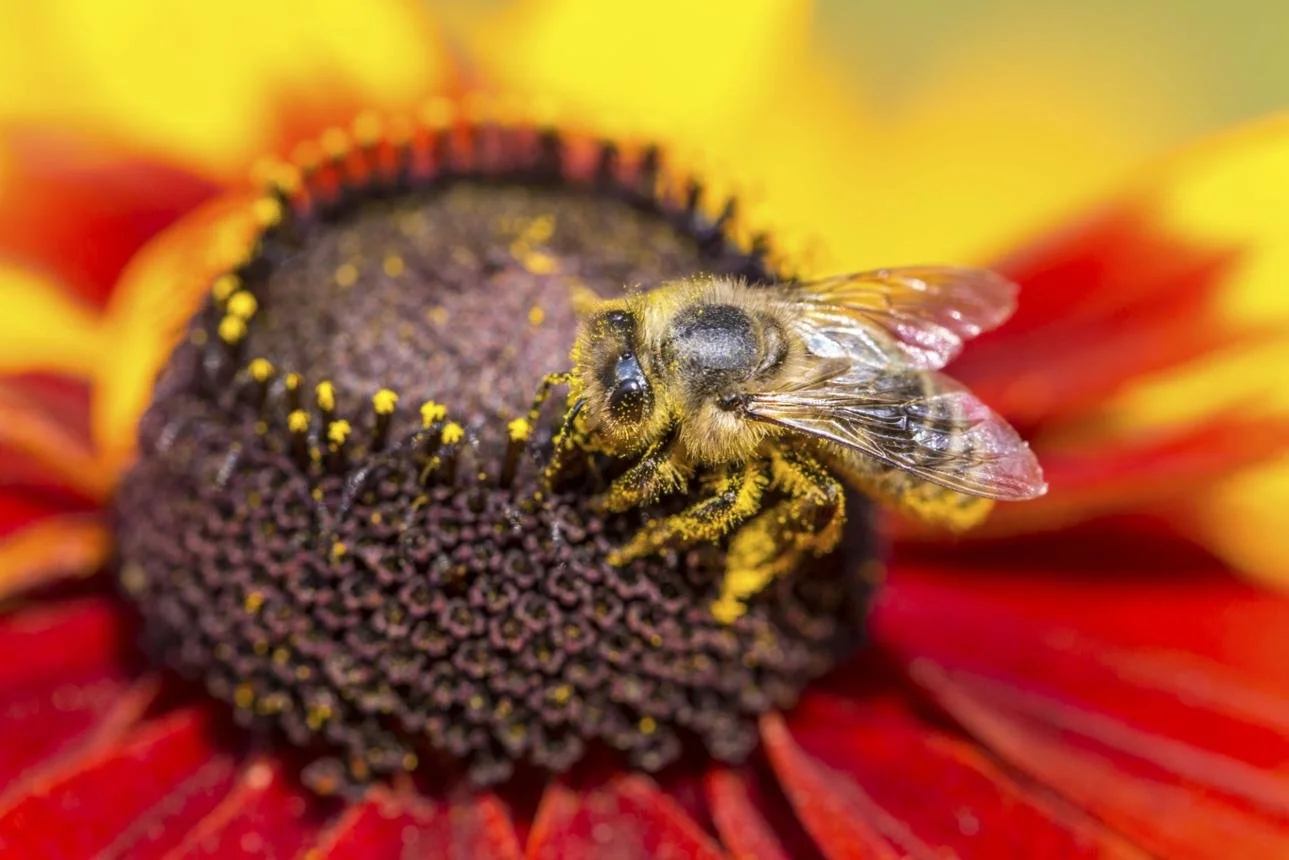
Bees are essential pollinators that support biodiversity, food production, and healthy ecosystems.
Without bees, many fruits, vegetables, nuts, and flowering plants would struggle to reproduce effectively.
Pollination supports:
Food crops
Native plant regeneration
Seed production
Ecosystem diversity
Agricultural sustainability
In many ways, healthy bee populations help sustain healthy communities and healthy landscapes.
Fun Facts About Honey
Honey Never Really Spoils
Archaeologists have discovered pots of honey in ancient Egyptian tombs that were still preserved thousands of years later.
Bees Visit Millions of Flowers
A single bee may visit up to 5,000 flowers in one day collecting nectar and pollen.
Honey Is Bee Food
Bees create honey primarily to feed and sustain their colony during colder months and periods where flowers are limited.
There Are Different Honey Flavours
The taste, colour, and texture of honey changes depending on which flowers bees collect nectar from.
Common varieties include:
Clover honey
Manuka honey
Eucalyptus honey
Wildflower honey
Orange blossom honey
Bees Communicate Through Dancing
Honey bees perform a “waggle dance” to communicate the direction and distance of food sources to the rest of the hive.
One Hive Is Extremely Productive
A healthy hive can contain tens of thousands of bees working together with highly organised roles and responsibilities.
The Beauty of Seasonal Living
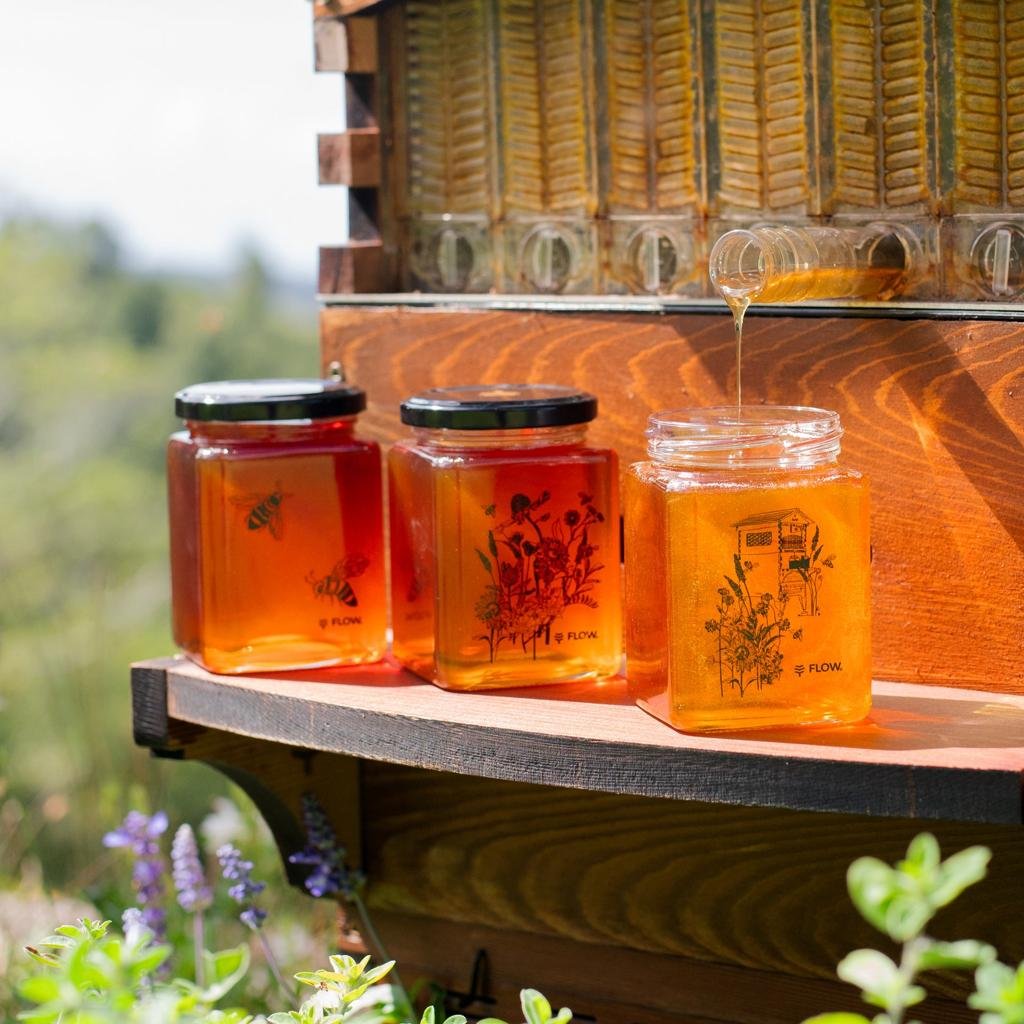
Honey harvesting reflects the natural rhythms of the seasons. Flowering plants, warmer weather, and biodiversity all influence the health and productivity of bee colonies.
Observing these cycles can encourage a deeper appreciation for:
Sustainable food production
Local farming
Biodiversity
Seasonal eating
Environmental stewardship
Supporting local honey producers and planting bee-friendly gardens are simple ways people can contribute to healthier ecosystems.
Simple Ways to Support Bees
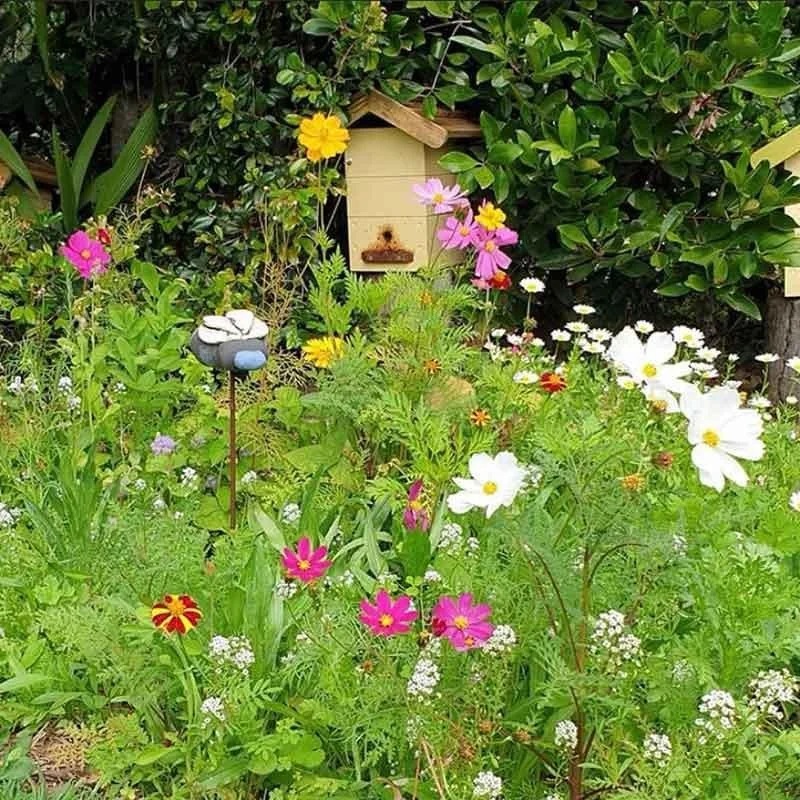
Plant flowering herbs and native plants
Avoid excessive pesticide use
Support local beekeepers
Leave shallow water sources outdoors
Grow seasonal pollinator-friendly gardens
Even small actions can help create healthier environments for pollinators.
A Sweet Reminder From Nature
Honey harvesting is more than collecting honey — it is a reflection of patience, cooperation, sustainability, and the remarkable intelligence found within nature.
Every jar of honey represents thousands of hours of work by bees and serves as a reminder of the important role pollinators play in supporting life on earth.
Whether enjoyed in tea, drizzled over breakfast, added to recipes, or gifted from local farms, honey carries a beautiful connection to the natural world and the changing seasons.
